How to Count Words Effectively for SEO Writing
Word counting is more than a numbers game in SEO writing — it's a strategic tool that shapes how content ranks, how engaged readers stay, and how thoroughly a topic actually gets covered. This guide covers how to use word count strategically rather than treating it as a target to hit.
Understanding Word Count in SEO Context
Word count touches several things search engines and readers both care about. Longer content tends to rank better simply because it's more likely to cover a topic comprehensively, and comprehensiveness is one of the signals search engines use as a proxy for quality. The right length also keeps readers engaged without overwhelming them, and dwell time — how long someone actually stays on the page — tends to improve when the content matches what the searcher was actually looking for.
That said, there's no magic number that guarantees SEO success, and chasing one is a common mistake. The right word count for a given page depends on how complex the topic is, what the searcher's intent actually is, how competitive the niche is, and what format the content takes. A quick how-to and a comprehensive buying guide have completely different natural lengths, and forcing either one to match the other's word count usually just adds filler.
SEO Word Count Guidelines by Content Type
Short-form content in the 300–600 word range works well for quick tips, news updates, and simple explanations — it won't compete for high-volume terms, but it can rank well for long-tail keywords and tends to get read in full because it respects the reader's time. Medium-form content between 600 and 1,200 words is the standard territory for how-to guides, product reviews, and typical blog posts — a good balance of depth and readability that opens up multiple keyword opportunities without demanding a huge time investment from either the writer or reader.
Long-form content from 1,200 to 2,500 words is where comprehensive guides and in-depth tutorials live, and it tends to carry real ranking advantages: more room to cover subtopics, more opportunities to earn backlinks, and a stronger signal of topical authority. Beyond 2,500 words, you're in pillar content territory — ultimate guides and cornerstone resource pages built to be the definitive reference on a topic, with the ranking power and backlink magnetism to match, as long as every one of those words is actually earning its place.
Landing and service pages follow a different logic since they're built to convert rather than rank for long-tail informational queries. A standard landing page runs 500–1,000 words with a clear value proposition and trust-building content aimed squarely at the call to action, while more complex service pages with detailed explanations, FAQs, or case studies can reasonably stretch to 1,000–2,000 words without losing focus.
Keyword Density and Readability
Keyword density is calculated simply: the number of times a keyword appears divided by the total word count, multiplied by 100. A primary keyword sitting at 1–2% density and secondary keywords at 0.5–1% reads naturally to both search engines and humans; push past roughly 3% and you're firmly in keyword-stuffing territory, which modern search algorithms penalize rather than reward. Ten occurrences of a keyword in a 1,000-word article, for instance, lands right at 1% — a safe, natural density.
Readability matters just as much as density. Aim for sentences averaging 15–20 words and paragraphs capped around 3–5 sentences, favor active voice over passive, and use complex words sparingly — an eighth-grade reading level suits a general audience, while professional or academic content can reasonably sit higher. Headings do real structural work here too: one H1 carrying your primary keyword, three to five H2s carrying secondary keywords, and H3s and below for supporting subsections. Lists and bullet points are worth using deliberately rather than defaulting to them everywhere — they break up dense text, make content scannable, and occasionally earn featured snippet placement, but a page built entirely out of bullet points reads as thin rather than thorough.
Competitive Analysis for Word Count
The most reliable way to gauge the right length for a given topic is to look at what's already ranking. Identify your target keyword, pull up the top 10 results, and note their approximate word counts — tools like SEMrush, Ahrefs, or BuzzSumo make this fast, though manually skimming the top few results works too. The goal isn't to simply match or exceed that number; it's to spot what those pages leave out. Missing subtopics, outdated information, or a genuinely different angle on the same question are all opportunities to write something more useful, and often that means the right length is determined by how much ground you need to cover to close those gaps — not by an arbitrary target.
Content Strategy and Topic Clustering
A topic cluster strategy pairs one comprehensive pillar page (often 2,500–5,000 words, covering a broad subject area) with several narrower cluster pages (typically 1,000–2,000 words each, targeting specific long-tail queries and linking back to the pillar). This structure builds topical authority more effectively than isolated posts of similar total length, because the internal linking between pillar and cluster content signals to search engines that you've covered the subject in depth rather than just written about it once.
When planning a content calendar, it's worth deliberately mixing lengths to match different search intents rather than defaulting to one target word count for everything — a quick answer to a specific question doesn't need 2,000 words, and a comprehensive guide shouldn't be forced down to 600. Evergreen topics are usually worth the investment of a longer, more thorough treatment, while timely or trending topics are often better served by something shorter and faster to publish.
Mobile and Page Speed Considerations
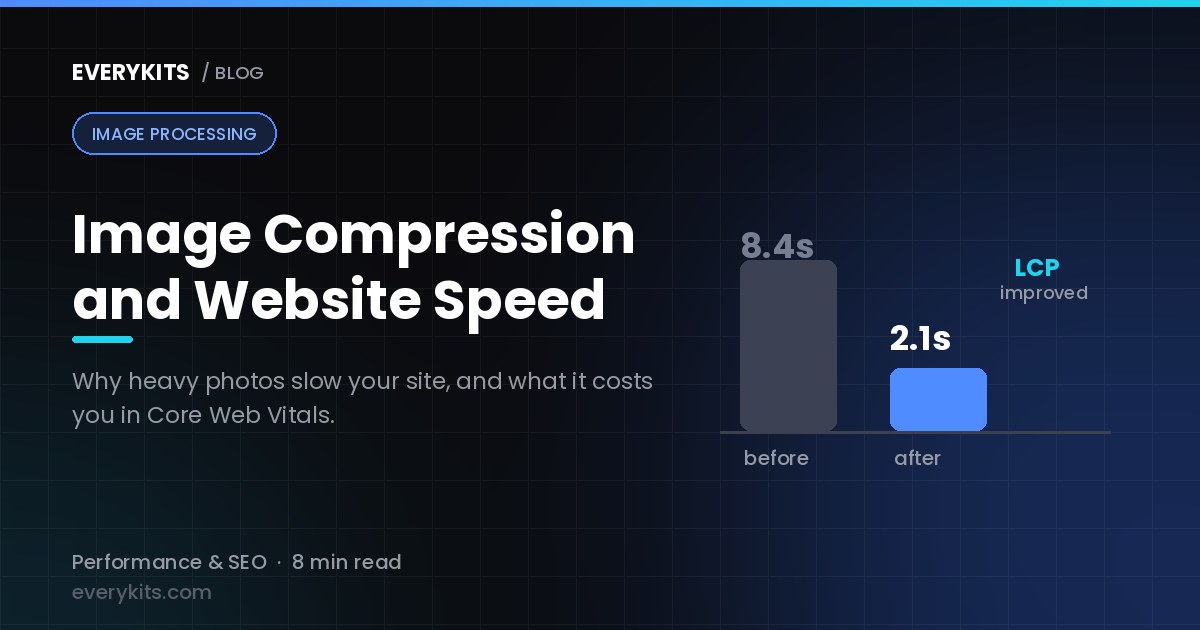
Mobile readers scan more than desktop readers, work with less screen space, and are less patient with content that hasn't been broken into digestible chunks. As a rough guideline, mobile-optimized blog posts do well in the 800–1,500 word range, landing pages at 500–1,000, and product pages at 300–800 — with generous use of headings and short paragraphs regardless of the total length. Longer content also has a real cost in load time, especially with heavy images, so it's worth pairing any long-form piece with proper image compression and structuring the page so critical content loads first. The right approach is to prioritize genuine value over hitting a word count target, and let page speed and reader experience guide how that value gets delivered.
Content Quality vs. Word Count
Length is a means, not an end, and it's worth watching for a few traps that inflate word count without adding value: keyword stuffing, fluff and filler paragraphs, saying the same thing multiple ways, and drifting into tangents that don't serve the reader's original question. The better signal to optimize for is genuine engagement — dwell time, scroll depth, and social shares tend to track real quality far more reliably than word count alone. Original insights, practical and actionable advice, and data or expert opinion that backs up your claims are what actually make longer content worth reading in full, rather than just longer.
Tools and Resources
For quick word counts alongside keyword density and readability metrics in one place, the EveryKits word counter handles this directly in the browser. For deeper SEO analysis, Yoast SEO's readability checks, SurferSEO's content optimization scoring, and Google Keyword Planner's search volume data round out a solid free-to-low-cost toolkit for planning and checking content length against what's actually likely to rank — see our full breakdown of a free blogging toolkit for the rest of that stack.
Conclusion
Effective word counting for SEO writing is both an art and a science, shaped by search engine behavior, reader expectations, and the specific topic you're covering. Research your competitors and your audience's intent before you start writing, focus on quality over hitting an arbitrary number, structure the piece clearly with headings and purposeful lists, and keep keyword usage natural rather than forced. Word count is a tool that should support good content, not drive it — get the value right first, and the right length tends to follow naturally.


Comments
Comments coming soon! In the meantime, feel free to share your thoughts on social media.